

Lifestyle upgrades can feel like progress. A better apartment, higher-quality clothing, weekend travel, or items that make daily life feel more comfortable often represent hard work paying off. As careers advance and income grows, it’s natural to refine your environment and your routines. At the same time, the modern consumer market encourages constant upgrading, sometimes faster than income or priorities can sustainably support. Even something simple, like choosing classic accessories such as Ray Ban sunglasses, can reflect that subtle shift from necessity to preference, or from basic function to curated lifestyle choice.
The challenge arises when lifestyle growth becomes automatic rather than intentional. That’s where the line between lifestyle inflation and lifestyle intention determines whether change feels empowering, or expensive, draining, and difficult to maintain.
Understanding the Difference
Lifestyle inflation happens when spending rises automatically with income. It’s the mindset of “I earn more, therefore I should spend more.” The purchases feel justified because they represent improvement. Over time, however, these patterns can create pressure to maintain new habits and expectations, even if they don’t align with long-term goals or personal values. Accessories, wardrobe upgrades, and convenience purchases often fall into this category, sometimes without much consideration. Something like Oakley sunglasses may feel like a small upgrade, but repeated upgrades can accumulate into lifestyle norms rather than conscious decisions.
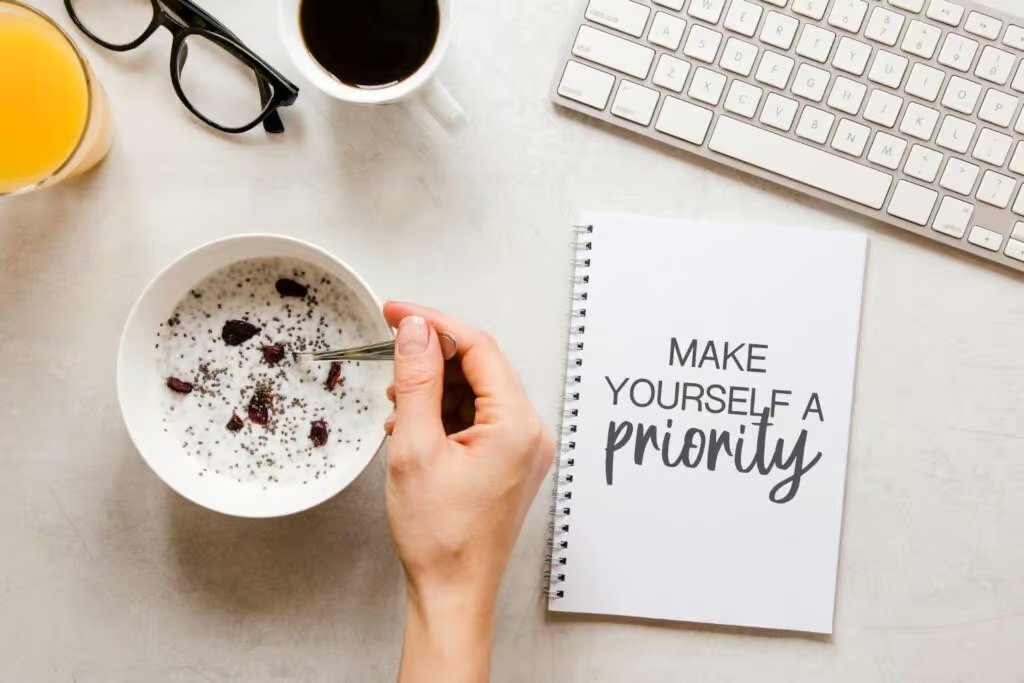
Lifestyle intention, on the other hand, places meaning behind purchases. Instead of spending because you can, you spend because the item improves your daily experience, supports an identity you value, or solves a problem. This approach is less about accumulation and more about enhancement, and it’s a mindset many people adopt after recognizing that constant lifestyle expansion isn’t always aligned with well-being or financial health.
A helpful reference point comes from the Consumer Financial Protection Bureau, which notes that mindful financial behavior helps prevent emotional spending patterns and supports long-term goals.
Intentional upgrades feel rewarding because they are chosen, not reacted to.
Why Lifestyle Inflation Happens
Lifestyle inflation doesn’t develop by accident. It is influenced by psychological, social, and environmental factors, many of which are easier to recognize than to resist.
Social comparison plays a significant role. As friends, colleagues, or influencers adopt new trends, products, or experiences, it becomes easy to normalize spending that previously felt unnecessary. For many people living in cities or corporate environments, subtle signals of achievement can become part of social currency.
Convenience is another factor. Services, subscriptions, and gadgets designed to save time or reduce effort quickly feel essential. Over time, the convenience mindset expands until simplicity feels inconvenient and luxury feels ordinary.
There is also the emotional component: rewarding yourself. For many, lifestyle upgrades are tied to identity, aspiration, or emotional validation, especially after stressful work periods, transitions, or milestones.
What Intentional Lifestyle Growth Looks Like
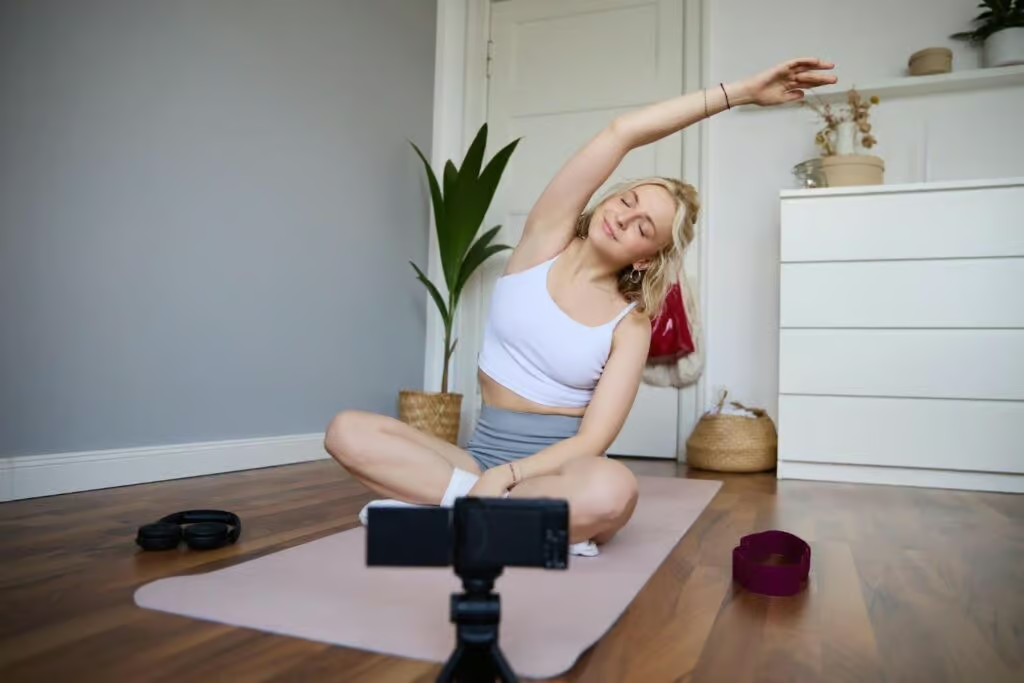
Intentional lifestyle upgrades are thoughtful, measured, and aligned with personal priorities. Instead of reacting to trends, you assess whether a purchase improves your life in a meaningful way. The decision-making process becomes clearer:
- Does this support a habit I want to strengthen?
- Will I still value this item six months or two years from now?
- Is this an upgrade or a temporary impulse?
Intentional living is not minimalist by default. It doesn’t ask you to avoid spending or reject enjoyment. Instead, it asks you to decide whether a purchase represents value or momentum.
For many people, intentional upgrades include:
- Higher-quality wardrobe basics
- Durable home essentials
- Wellness-driven purchases
- Investment in travel, education, or skills
These decisions tend to compound positively over time.
Finding a Balance
Balance means recognizing that life can include comfort, pleasure, and refinement, without becoming financially or mentally demanding. It means spending more where it adds meaning and holding back where it doesn’t.
A balanced lifestyle also acknowledges that not every purchase needs to be optimized. Sometimes enjoyment is a valid justification. The key is avoiding autopilot spending.
Tech tools, budget frameworks, and reflection routines can help create awareness. Some people evaluate purchases monthly or seasonally; others align spending with categories such as:
- Functional needs
- Long-term value
- Lifestyle identity
- Temporary comfort
There is no universal equation, only alignment with what matters.
Lifestyle upgrades can be rewarding, empowering, and motivating, especially when they reflect progress and alignment with who you are becoming. The question is not whether to upgrade, but whether the upgrade serves you.
Lifestyle inflation is reactive. Lifestyle intention is deliberate. The difference determines whether the life you build feels sustainable and meaningful, or expensive and overwhelming.