Retail forex traders aren’t just dabbling in automation anymore, they’re diving in. But it’s not about set-and-forget robots or wild guesses. These days, it’s all about systems that crunch real numbers, spot patterns and react to live market signals. And it’s changing the way regular people trade the world’s busiest market.
Not so long ago, trading forex as a retail trader meant staring at charts at midnight, following your gut and hoping you’d catch a breakout before your coffee went cold. Now? The whole scene is different. Algorithms, trading bots and automated strategies have broken out of the hedge fund bubble. You’ll find them running on laptops in spare bedrooms, or tucked away in phone apps, placing trades quietly while you go about your day.
What’s behind all this? Data-driven automation. Instead of trading on feelings, these systems use history, live market feeds and math. For a lot of retail traders, this way of trading isn’t just a cool experiment anymore, it’s becoming the main event. And as more people jump on board, the entire forex market starts to shift.
Retail traders are getting smarter
The old days of “buy because the chart looks good” are fading. Now, retail traders want proof. They’re tech-savvy, less likely to fall for the hype and much more interested in what works over time.
This shift comes down to a few things. Data’s easier (and cheaper) to get. Cloud computing means even a home trader can run heavy calculations in seconds. There’s a ton of free and accessible education on algorithmic trading. And platforms are so user-friendly now, you don’t need to be a coder to get started. All this lowers the bar for entry.
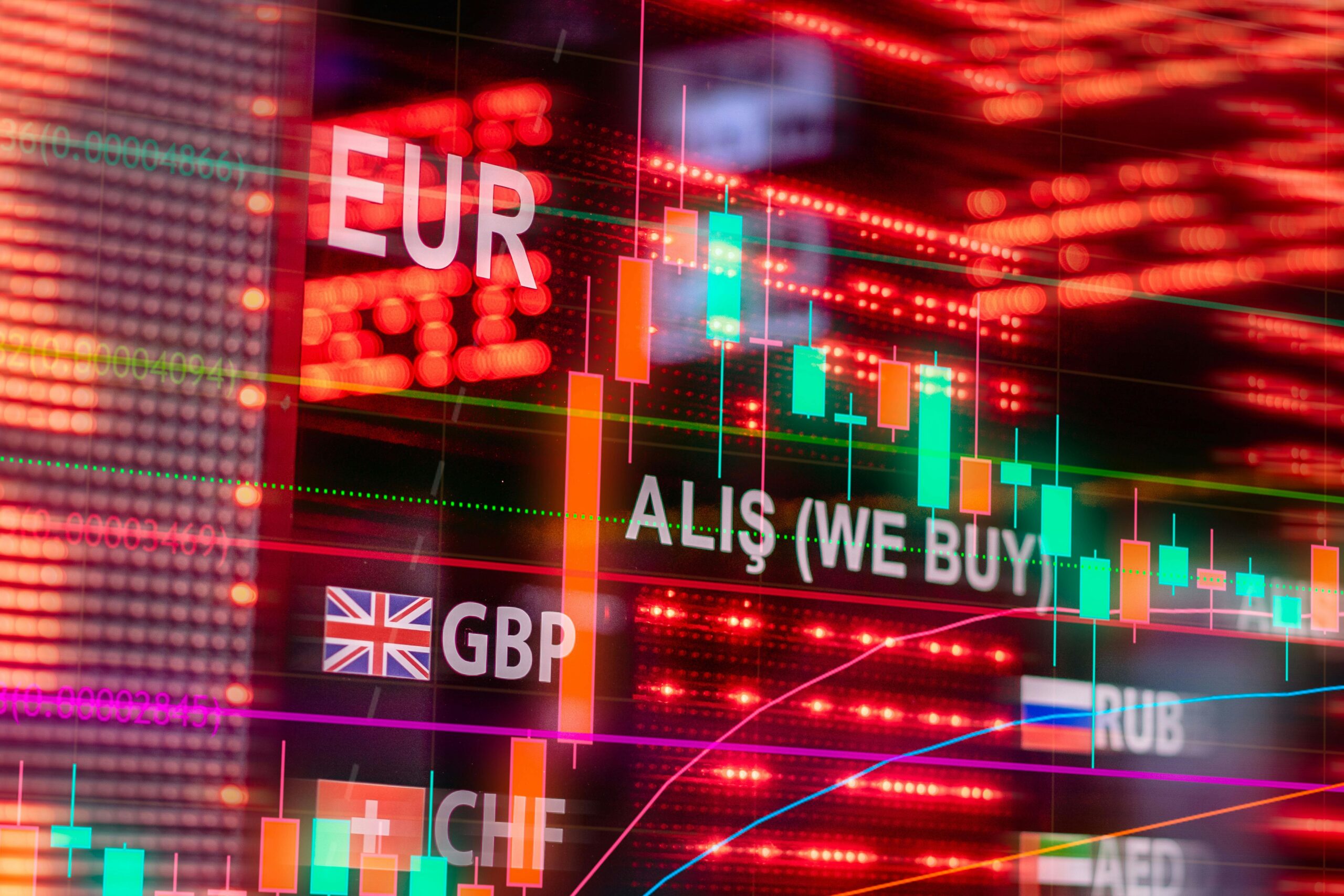
But for most, automation isn’t about getting rich quick. It’s about playing the long game. People get tired, make mistakes or let emotions take over. Algorithms don’t.
Why traders are turning to specialized trading robots
People are tired of one-size-fits-all bots. As automation takes off, traders want tools that actually match how the market moves, not some generic solution. They’re looking for systems built around real trading habits.
That’s where dedicated platforms come in. In trading circles, you’ll hear folks talking about sites focused on data-driven forex automation and the benefits of this setup. Take Trendonex, for example. It’s a forex robot, but what gets people’s attention are its practical features: It spots trends with actual accuracy (not just random signals), picks smart entry points based on how the market’s behaving, lets you tweak your lot sizes and bakes in risk management so you can scale up without losing your shirt.
Why data really matters in forex
The forex market spits out a ridiculous amount of data every second. Prices jump, volumes shift, volatility explodes and currencies move in sync or break away from each other. It’s way too much for any one person to keep up with.
Automated systems thrive on this chaos. Instead of watching one chart or getting spooked by a headline, they scan thousands of data points, test strategies against years of history and stick to their rules.
Traders are waking up to this: Data won’t make you bulletproof, but it helps you measure your risk. When you can see the odds of a setup working, or know the average loss a strategy takes, it’s a lot easier to make smart decisions.
Taking emotion out of trading
Ask any forex trader about their worst trades, and you’ll hear about emotions; overtrading, chasing losses and holding onto losers. It’s always the same story.
Automated trading cuts most of that out. Once you set the rules, the system runs with them. Stops hit where they should. Profits come off the table when it’s time.
Most retail traders have jobs, families and other stuff going on. You can’t sit in front of a screen 24/7. Automated trading, especially when it’s data-driven, keeps an eye on the market while you live your life. It’s a no-brainer for anyone who wants a shot at consistency without the stress.
How this shift is changing forex
Retail traders are getting more into automation, and you can feel it in the market. Algorithms are jumping on price swings faster, and there’s more liquidity at certain times.
But it’s not all smooth sailing. When a bunch of traders use similar, data-driven strategies, you start getting crowd effects. Sometimes breakouts happen in a flash, and pullbacks barely register. Markets might run more efficiently, or at least, that’s the theory.
Don’t get carried away, automation isn’t magic
Automation doesn’t guarantee profits. More traders are waking up to that. A system is only as good as its strategy, its data and the market it’s in.
Way too often, people over-optimize. Their system looks flawless in backtesting, then falls apart live. Markets flip. Central banks make surprise moves. The unexpected hits.
Why fintech fans are watching
For anyone into fintech, retail forex automation is a wild ride. It shows how high-powered tools are moving from the big players to individual traders. Data is making advanced strategies accessible to more people. And it turns out, how easy a system is to use and how well traders understand it, matters just as much as how “smart” it is.
This whole trend lives right at the crossroads of finance, tech and psychology. Automation is changing not only how people trade, but also how they think about risk and control.