

The gap between opening a blackjack app and playing a hand has narrowed to seconds. Apple Pay and Google Pay integration across US-regulated platforms has reduced the friction that once defined online casino deposits to a biometric scan and a tap.
Mobile Wallets Rewrite the Deposit Flow
In early 2026, digital wallet adoption at licensed US online gaming platforms accelerated sharply. Major operators, including BetMGM and FanDuel, now support Apple Pay and Google Pay across their blackjack lobbies, processing deposits without redirecting players to external pages. For those tracking how fintech infrastructure intersects with digital gaming, the mechanics warrant close attention, and for those following card game strategy, platforms like Pokerology cover the online blackjack environment these payment tools now serve.
Step-by-Step Deposit Process
The deposit flow via Apple Pay or Google Pay follows a consistent sequence:
- Select a deposit amount inside the casino app
- The wallet overlay appears without leaving the app
- Face ID, Touch ID, or a device PIN authenticates the transaction
- A tokenized payment instruction transmits to the payment network
- Funds appear in the casino wallet, typically within three to five seconds
No card details are entered manually at any stage.
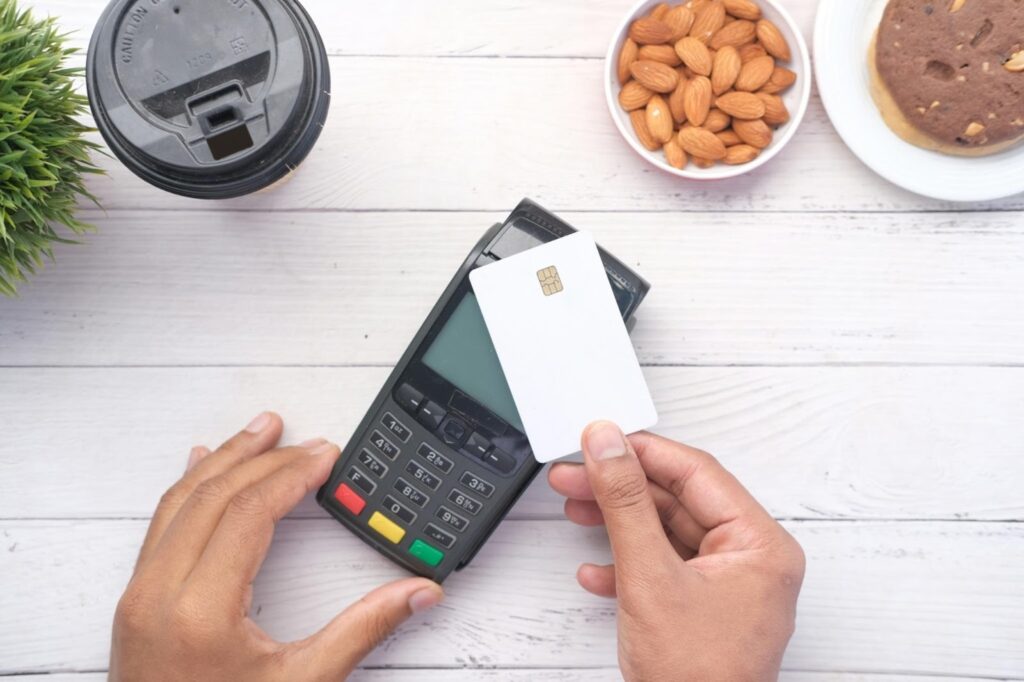
How Tokenization Drives Sub-5-Second Processing
The speed advantage over traditional card deposits comes from tokenization. When a player links a card to Apple Pay or Google Pay, the card number is replaced by a device-specific token stored in the device’s secure enclave (Apple) or Trusted Execution Environment (Google). During a deposit, the platform receives this token alongside a dynamic cryptogram generated for that transaction alone. Traditional card-not-present deposits require the platform to transmit card details, run fraud checks against static data, and await bank authorization, averaging 15 to 30 seconds. Tokenized wallet payments compress this sequence because authentication occurs at the device level before the payment instruction reaches the network.
2026 Fee Breakdown by Deposit Method
| Method | User Fee | Processing Time | Chargeback Rate |
| Apple Pay / Google Pay | $0 (operator-absorbed) | Under 5 seconds | ~0.8% |
| Credit/debit card | 0–3% (platform-dependent) | 15–30 seconds | ~2.1% |
| ACH / bank transfer | $0–$5 (varies by platform) | 1–3 business days | Low |
Most regulated US platforms absorb wallet processing costs entirely, making Apple Pay and Google Pay the lowest-cost deposit options alongside ACH, but with significantly faster settlement.
Security Layers and Chargeback Economics
The security architecture of mobile wallet deposits involves distinct layers. Biometric authentication verifies the account holder at the point of payment. No transaction completes without a fingerprint or facial confirmation. The token replaces the primary account number in transit, so the casino never handles actual card data. Many issuers also generate virtual card numbers: single-use credentials tied to a specific merchant, separate from the underlying account number. A dynamic cryptogram generated per transaction means intercepted payment data cannot be reused.
This structure has measurable effects on dispute rates. Mastercard’s research on payment fraud and chargeback trends confirms that card-not-present transactions represent 63% of merchant transaction volumes and generate a disproportionate share of chargebacks. Tokenized wallet deposits fall outside this high-risk category because authentication occurs on-device before the payment reaches the network. Across regulated gaming platforms, industry estimates place wallet chargeback rates at approximately 0.8%, compared to roughly 2.1% for traditional card-not-present deposits.
What Lower Chargeback Rates Mean for Platform Economics
For operators running regulated blackjack lobbies, chargeback rates directly affect processing costs, fraud reserves, and merchant account standing. At 2.1% dispute rates, platforms face higher per-transaction fees and potential card network monitoring flags. At 0.8%, those costs compress significantly, which explains why wallet integration has become a priority beyond user experience alone.
Bankroll Management at $10 Minimum Tables
The practical intersection of wallet payments and blackjack bankroll management is most visible at the table minimums most mobile players use. Standard guidance places optimal session bankroll at 20 to 30 times the table minimum, or $200 to $300 for a $10 game.
Digital wallets make incremental deposits more deliberate. With no form-filling friction, a player who reaches a preset loss limit makes a conscious decision to reload or stop. Payment friction contributes to impulsive top-ups that bypass planned limits. Removing that friction cuts both ways.
Cashback matching at several US platforms in early 2026 extends to 15% on qualifying deposits, including Apple Pay. On a $200 session bankroll, that adds $30 in recoverable value, extending effective session depth at $10 minimums.
FintechZoom’s payments and digital banking coverage tracks how wallet ecosystems are reshaping deposit behavior across online platforms.
What Instant Deposits Reveal About Platform Design in 2026
The shift from card-entry to wallet-tap reflects a structural change in payment infrastructure. Authentication moves to the device level, fraud prevention sits in the token layer, and processing speed is decoupled from bank authorization latency.
For players, the outcome is a deposit experience matching mobile commerce speed expectations. For platforms, it means lower fraud exposure, improved conversion, and a payment architecture that scales without legacy chargeback liability. The fintech stack underneath a blackjack lobby has become as technically considered as the game logic above it.