

Tuesday, February 17, 2026
  • Nasdaq FintechZoom
  • Dow Jones FintechZoom
  • Gold Price FintechZoom
  • Luxury FintechZoom
  • Investment FintechZoom
  • Money FintechZoom
  • Silver Price FintechZoom
[email protected]
 FintechZoom
  • MARKETS
    • Stock Market
      • Penny Stocks
      • Stock Market Guides
      • Breaking Stock Market News
      • Reviews in Stock Market
      • Best Stocks To Buy Now
      • Asian Markets
      • European Markets
      • US Markets
      • Trading
      • Stock Futures
    • Forex Market
    • Bonds & Rates
    • Commodities
      • Brent Crude Oil Price
      • WTI Crude Oil Price
      • Natural Gas Live Prices
      • Gold Live Prices
      • Silver Live Prices
      • Nickel Live Prices
      • Platinum Live Prices
      • Corn Live Prices
      • Wheat Live Prices
    • Exchange Traded Fund (ETF)
    • World Indices
      • DAX PERFORMANCE-INDEX
      • Russel 2000 (RUT)
      • STOXX Europe 600 (SXXP)
      • Euro Stoxx 50
      • CAC 40 Index (FCHI)
      • FTSE 100 Index
      • Nikkei 225 Index
      • HSI – Hang Seng Index
      • NSE Nifty 50 Index
      • NASDAQ Composite Index
      • Dow Jones (INDEXDJX: .DJI)
      • S&P 500 Index
      • ASX – Australian
      • Shanghai Index (SSE)
  • BUSINESS
    • Fintech
    • Technology
      • Cybersecurity
      • Youtube Tools
      • Instagram Tools
      • Social Media
      • Internet
        • Error Pages
        • Is It Down?
        • Download
        • Settings
      • Digital Library
    • Artificial Intelligence
    • Finance
    • Health
    • Real Estate
    • Climate
    • Sports
    • Legal
  • CRYPTO
    • Crypto Guides
      • How To Buy Bitcoin
    • Metaverse
    • Tokens
    • Crypto Reviews
    • NFT : Non-Fungible Tokens
    • Stablecoins
    • Blockchain
    • Ethereum
    • Buy Bitcoin
    • Best Crypto
    • Bitcoin
    • Altcoins
  • MONEY
    • Insurance
    • Mortgages
    • Loans
    • Personal Finances
    • Credit Cards
    • Interest Rates
    • Banking
      • Banks Near Me
      • Payments
      • ATM Near me
      • Best Banks
      • Banks Guides
      • Transfer Money Online
      • Mobile Banking
      • Digital Bank
      • Secure Bank Login
  • ECONOMY
    • Investment
    • Taxes
    • Jobs
    • Inflation
  • LIFESTYLE
    • Travel
    • Luxury
      • Luxury Food & Drink
      • Luxury Watches
      • Luxury Cars
      • Luxury Style
      • Luxury Motors
      • Luxury Travel
      • Luxury Tech
    • Fashion & Beauty
    • Entertainment
      • Gaming
      • Movies
      • Streaming Services
      • eBooks
      • Anime & Cartoons
    • Cars
    • Near Me
    • Life
    • Weather Tomorrow
  • ABOUT US
    • Why Fintech Zoom?
    • What is FintechZoom?
    • Advertise with Us
    • Careers in FintechZoom: Carving Your Path
    • Fintech Zoom Logo
    • FintechZoom PRO
    • FintechZoom Contacts: Best Ways to Connect with FintechZoom
  • OUR SERVICESNEW
No Result
View All Result
  • MARKETS
    • Stock Market
      • Penny Stocks
      • Stock Market Guides
      • Breaking Stock Market News
      • Reviews in Stock Market
      • Best Stocks To Buy Now
      • Asian Markets
      • European Markets
      • US Markets
      • Trading
      • Stock Futures
    • Forex Market
    • Bonds & Rates
    • Commodities
      • Brent Crude Oil Price
      • WTI Crude Oil Price
      • Natural Gas Live Prices
      • Gold Live Prices
      • Silver Live Prices
      • Nickel Live Prices
      • Platinum Live Prices
      • Corn Live Prices
      • Wheat Live Prices
    • Exchange Traded Fund (ETF)
    • World Indices
      • DAX PERFORMANCE-INDEX
      • Russel 2000 (RUT)
      • STOXX Europe 600 (SXXP)
      • Euro Stoxx 50
      • CAC 40 Index (FCHI)
      • FTSE 100 Index
      • Nikkei 225 Index
      • HSI – Hang Seng Index
      • NSE Nifty 50 Index
      • NASDAQ Composite Index
      • Dow Jones (INDEXDJX: .DJI)
      • S&P 500 Index
      • ASX – Australian
      • Shanghai Index (SSE)
  • BUSINESS
    • Fintech
    • Technology
      • Cybersecurity
      • Youtube Tools
      • Instagram Tools
      • Social Media
      • Internet
        • Error Pages
        • Is It Down?
        • Download
        • Settings
      • Digital Library
    • Artificial Intelligence
    • Finance
    • Health
    • Real Estate
    • Climate
    • Sports
    • Legal
  • CRYPTO
    • Crypto Guides
      • How To Buy Bitcoin
    • Metaverse
    • Tokens
    • Crypto Reviews
    • NFT : Non-Fungible Tokens
    • Stablecoins
    • Blockchain
    • Ethereum
    • Buy Bitcoin
    • Best Crypto
    • Bitcoin
    • Altcoins
  • MONEY
    • Insurance
    • Mortgages
    • Loans
    • Personal Finances
    • Credit Cards
    • Interest Rates
    • Banking
      • Banks Near Me
      • Payments
      • ATM Near me
      • Best Banks
      • Banks Guides
      • Transfer Money Online
      • Mobile Banking
      • Digital Bank
      • Secure Bank Login
  • ECONOMY
    • Investment
    • Taxes
    • Jobs
    • Inflation
  • LIFESTYLE
    • Travel
    • Luxury
      • Luxury Food & Drink
      • Luxury Watches
      • Luxury Cars
      • Luxury Style
      • Luxury Motors
      • Luxury Travel
      • Luxury Tech
    • Fashion & Beauty
    • Entertainment
      • Gaming
      • Movies
      • Streaming Services
      • eBooks
      • Anime & Cartoons
    • Cars
    • Near Me
    • Life
    • Weather Tomorrow
  • ABOUT US
    • Why Fintech Zoom?
    • What is FintechZoom?
    • Advertise with Us
    • Careers in FintechZoom: Carving Your Path
    • Fintech Zoom Logo
    • FintechZoom PRO
    • FintechZoom Contacts: Best Ways to Connect with FintechZoom
  • OUR SERVICESNEW
No Result
View All Result
FintechZoom
No Result
View All Result

How Hydrogen Chloride Gas Detectors Support Industrial Gas Monitoring

Alex Lowe by Alex Lowe
February 17, 2026
in Industry
0

FintechZoom > Business > Industry > How Hydrogen Chloride Gas Detectors Support Industrial Gas Monitoring

Industrial gas monitoring often goes unnoticed until a serious incident occurs. Hydrogen chloride (HCl) presents unique challenges that require specialized detection systems. Based on over a decade of experience in industrial safety systems, this article examines how HCl gas detectors function as essential safety infrastructure in chemical processing, semiconductor manufacturing, and pharmaceutical facilities.

Understanding the HCl Threat Profile

Hydrogen chloride is highly corrosive and toxic, with OSHA setting the permissible exposure limit at 5 parts per million (ppm). Being denser than air, it accumulates in low-lying areas and floor-level spaces.

What makes HCl particularly dangerous is that its odor threshold—approximately 0.8 to 5 ppm—overlaps with exposure limits. At 35 ppm, throat irritation becomes immediate. At 100 ppm and above, exposure can cause severe respiratory damage within minutes.

The Technology Behind HCl Detector

A worker in a yellow hard hat and jacket walks past large orange and silver industrial pipes inside a modern facility with a complex network of machinery and metal infrastructure. | FintechZoom

Modern HCl detectors primarily use electrochemical or metal-oxide semiconductor (MOS) sensors. Electrochemical sensors offer 0.1 ppm resolution with 30-60 second response times, providing accurate readings in the 0-30 ppm range where industrial monitoring needs precision. Metal-oxide sensors respond faster—often within 15-30 seconds—but may show cross-sensitivity to other acidic gases. Facilities handling higher concentrations or needing rapid emergency shutdowns often choose MOS sensors, while those prioritizing precision for micro-leak detection prefer electrochemical types.

When evaluating specific detector models, comparing technical specifications across manufacturers is essential to ensure the sensor meets your application requirements. Industrial gas detector suppliers such as GasDog typically provide detailed specification sheets outlining response time, detection range, operating temperature, and sensor lifespan—key parameters for making informed procurement decisions.

Choosing the Right Detection System: A Practical Approach

Sensor Type Selection

Selecting an HCl detection system involves matching your facility’s specific conditions to sensor capabilities. If you’re monitoring process areas where leaks would likely stay below 20 ppm, electrochemical sensors offer the precision needed to catch micro-leaks that could corrode equipment over time. Facilities needing sub-30-second alarm response for emergency shutdowns often lean toward metal-oxide sensors despite their occasional cross-sensitivity.

RelatedPosts on FintechZoom

The Great EV Reset: Why 2026 Will Decide the Balance of Power in Cars, Code, and Critical Minerals

How to Get Your OSHA Maritime Certification

Protecting Assets and Lives: A Guide to Emergency Fire Watch Services

Night Vision vs. Thermal Imaging: What’s the Difference?

Top Advantages of Working with a European CDMO for Drug Product Manufacturing

Overcoming Financing Challenges for Small Business Startups with Look at the NEMT Industry

Top Strategies for Effective Equipment Inventory Management in Your Business

Chemical Industry Meets Fintech: Real 2025 Growth Opportunities

How Atomic Absorption Spectroscopy Works: A Deep Dive into the Principles

Advanced Tech Solutions to Automate Global Expansion

Calculating Coverage Requirements  

Coverage area determines how many detectors you’ll actually need, and this is where many facilities underestimate. A single detector typically covers about 400-600 square feet in open spaces, but that assumes ideal conditions. In reality, structural obstructions, HVAC patterns, and equipment layouts create dead zones. A 5,000 square foot processing room might need 12-15 detectors rather than the theoretical eight. During one facility assessment, we found a blind spot behind a chemical storage rack where HCl had been accumulating undetected for weeks.

Strategic Positioning

Installation positioning matters more than sheer detector quantity. Because hydrogen chloride sinks, placing sensors within 18 inches of the floor is essential. However, ground-level detection alone is insufficient. Mid-height sensors at breathing-zone level—approximately 4-5 feet—are critical, as this is where worker exposure typically occurs first. Near high-risk locations such as cylinder storage areas, valve manifolds, and transfer connections, positioning detectors within 10-15 feet provides early warning.

In one chemical processing facility, a three-tier detection strategy was implemented: low-level sensors at 6 inches above floor drains, mid-level units at 3 feet to detect dispersing plumes, and high-level monitors near ventilation intakes. This configuration identified a slow gasket leak within 90 minutes—the low-level sensor registered 1.2 ppm while mid- and high-level sensors remained at zero. That early alert prevented what could have developed into a 12-hour corrosion event affecting underground piping.

Setting Alarm Thresholds

Alarm thresholds need to match both regulatory limits and operational reality. Setting the first warning level around 2 ppm gives early notice without constant nuisance alarms. The OSHA ceiling limit of 5 ppm should trigger local alarms and increase ventilation automatically. At 10 ppm, full emergency response—area evacuation, maximum ventilation, and immediate investigation—becomes necessary. These graduated thresholds prevent both complacency from false alarms and panic from delayed warnings.
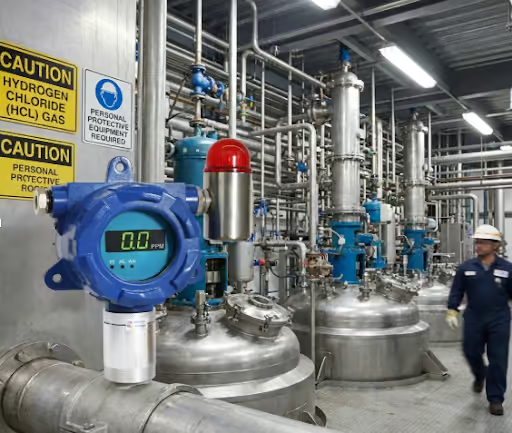
A worker in protective gear walks through an industrial facility with large metal tanks, pipes, and a gas detector showing 0.0 PPM. Warning signs indicate the presence of hydrogen chloride gas. | FintechZoom

Calibration and Maintenance Realities

Sensor accuracy degrades over time through exposure to target gases, humidity, and temperature fluctuations. Manufacturer specifications typically call for calibration every 6-12 months, with electrochemical sensors having operational lifespans of 24-36 months under normal conditions. Using certified gas standards with proper storage is essential for maintaining accuracy.

Common Mistakes That Compromise Detection Systems

Mounting Detectors Too High

The most frequent error is mounting detectors too high. Facilities treat HCl sensors like smoke detectors and place them near ceilings. Since HCl is 26% heavier than air, it drops and pools at ground level. A ceiling-mounted detector might not register anything while HCl concentrations at floor level reach hazardous levels. I’ve walked into facilities where all detectors showed zero, then held a portable meter at knee height and immediately got readings over 3 ppm.

Ignoring Calibration Drift

Calibration drift gets ignored until something forces attention to it—usually a near-miss incident or audit finding. During a pharmaceutical facility audit, we found calibration gas cylinders stored in a hot maintenance shop where temperatures regularly exceeded 85°F. The gas composition had degraded to the point where ‘calibrating’ sensors actually made them less accurate. Proper calibration gas storage means climate-controlled environments and tracking expiration dates.

Inadequate Detector Coverage

Relying on a single detector in a large space creates dangerous blind spots. I’ve seen 2,000 square foot rooms with one centrally-placed detector, under the assumption that gas will eventually reach it. But HCl doesn’t diffuse uniformly—it follows airflow patterns, collects behind equipment, and pools in low spots. A leak behind a storage rack 40 feet from the detector might not register for hours.

Environmental Interference

Environmental interference causes more false alarms than actual leaks. High humidity above 85% can trigger electrochemical sensors. Mounting detectors near HVAC vents or loading dock doors—where temperature and humidity fluctuate—guarantees nuisance alarms. After a few false evacuations, staff start ignoring alarms entirely, which defeats the entire purpose.

Integration with Safety Systems

Standalone detectors provide limited value. Real safety infrastructure emerges when detection integrates with building management systems, distributed control systems, and emergency response protocols. Modern detectors communicate via 4-20 mA analog signals, Modbus, or wireless protocols.

Multi-stage alarm setpoints create graduated responses. A typical configuration: 2 ppm triggers a warning alert and data logging, 5 ppm activates local alarms and increased ventilation, and 10 ppm initiates emergency ventilation and area evacuation. This tiered approach prevents both alarm fatigue and delayed emergency response.

Technology alone proves insufficient—the human factor remains critical. Quarterly training with simulated detector alarms can significantly improve emergency response times and system effectiveness.

Predictive Maintenance Through Detection Data

Beyond immediate safety, HCl gas detectors generate valuable trend data for predictive maintenance. Gradual baseline increases—from 0.1 ppm to 0.8 ppm over several weeks—often indicate developing seal failures, valve packing deterioration, or flange gasket degradation. This enables condition-based maintenance rather than reactive repairs.

At a chlor-alkali plant, trending analysis identified gradual HCl increases tied to specific process cycles, allowing maintenance before a major release occurred.
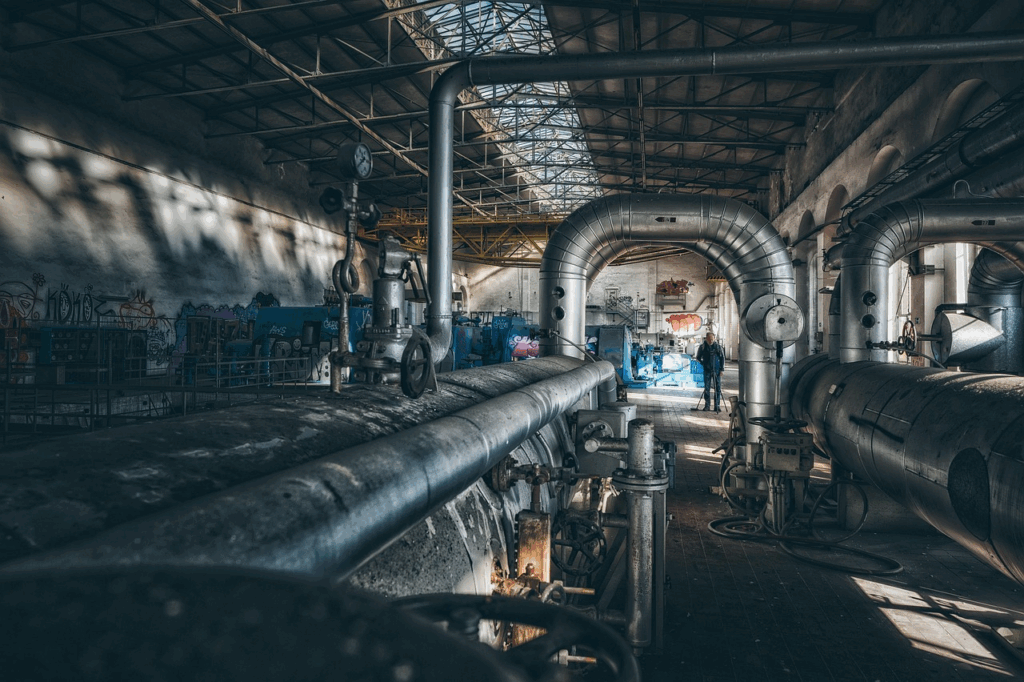
An industrial building with large metal pipes, gauges, and machinery. Sunlight streams through a glass ceiling. A person stands in the background near blue barrels and graffiti-covered walls. | FintechZoom

Regulatory Compliance and Documentation

HCl detection systems fall under multiple regulatory frameworks. OSHA’s Process Safety Management standard requires continuous monitoring for covered processes. EPA’s Risk Management Program mandates detection systems as part of release prevention.

Documentation requirements extend beyond installation records. Facilities must maintain calibration certificates, maintenance logs, and alarm response records. During regulatory inspections, auditors commonly request 12-24 months of historical data to verify system reliability.

Conclusion

Hydrogen chloride gas detectors represent a critical control layer in industrial safety systems. Their effectiveness depends on appropriate technology selection, strategic placement based on gas physics, rigorous maintenance protocols, and integration with both technical systems and human response capabilities.

The facilities that achieve the best safety outcomes treat gas detection not as a compliance checkbox but as an active safety partner—one that provides continuous intelligence about conditions that human senses cannot reliably detect.


Previous Post

Lawless, Lawless And McGrath Firm Profile: Expertise & Services

Alex Lowe

Alex Lowe

Alex is a financial writer covering forex. He is a expert financial journalist whose credits include Bloomberg, FT of London, Chicago Tribune. Contact: [email protected]

Related Posts

Terraced layers of an open pit mine with reddish and brown soil under a cloudy, overcast sky. The landscape shows exposed earth and rock, with puddles of water on some lower levels. | FintechZoom

The Great EV Reset: Why 2026 Will Decide the Balance of Power in Cars, Code, and Critical Minerals

December 29, 2025
A person in a suit holds a tablet with digital icons overlay, representing logistics and global shipping, in front of a cargo ship loaded with containers at sea. | FintechZoom

How to Get Your OSHA Maritime Certification

November 25, 2025

Protecting Assets and Lives: A Guide to Emergency Fire Watch Services

October 7, 2025

Night Vision vs. Thermal Imaging: What’s the Difference?

September 16, 2025

Top Advantages of Working with a European CDMO for Drug Product Manufacturing

August 5, 2025

Overcoming Financing Challenges for Small Business Startups with Look at the NEMT Industry

June 23, 2025

Top Strategies for Effective Equipment Inventory Management in Your Business

March 31, 2025

Chemical Industry Meets Fintech: Real 2025 Growth Opportunities

February 4, 2025

How Atomic Absorption Spectroscopy Works: A Deep Dive into the Principles

February 4, 2025

Leave a Reply Cancel reply

Your email address will not be published. Required fields are marked *

  • About Us
  • Advertise
  • Careers
  • Terms and Conditions
Call us: + 1 917 9939840

© 2016-2026 FINTECHZOOM

No Result
View All Result
  • MARKETS
    • Stock Market
      • Penny Stocks
      • Stock Market Guides
      • Breaking Stock Market News
      • Reviews in Stock Market
      • Best Stocks To Buy Now
      • Asian Markets
      • European Markets
      • US Markets
      • Trading
      • Stock Futures
    • Forex Market
    • Bonds & Rates
    • Commodities
      • Brent Crude Oil Price
      • WTI Crude Oil Price
      • Natural Gas Live Prices
      • Gold Live Prices
      • Silver Live Prices
      • Nickel Live Prices
      • Platinum Live Prices
      • Corn Live Prices
      • Wheat Live Prices
    • Exchange Traded Fund (ETF)
    • World Indices
      • DAX PERFORMANCE-INDEX
      • Russel 2000 (RUT)
      • STOXX Europe 600 (SXXP)
      • Euro Stoxx 50
      • CAC 40 Index (FCHI)
      • FTSE 100 Index
      • Nikkei 225 Index
      • HSI – Hang Seng Index
      • NSE Nifty 50 Index
      • NASDAQ Composite Index
      • Dow Jones (INDEXDJX: .DJI)
      • S&P 500 Index
      • ASX – Australian
      • Shanghai Index (SSE)
  • BUSINESS
    • Fintech
    • Technology
      • Cybersecurity
      • Youtube Tools
      • Instagram Tools
      • Social Media
      • Internet
      • Digital Library
    • Artificial Intelligence
    • Finance
    • Health
    • Real Estate
    • Climate
    • Sports
    • Legal
  • CRYPTO
    • Crypto Guides
      • How To Buy Bitcoin
    • Metaverse
    • Tokens
    • Crypto Reviews
    • NFT : Non-Fungible Tokens
    • Stablecoins
    • Blockchain
    • Ethereum
    • Buy Bitcoin
    • Best Crypto
    • Bitcoin
    • Altcoins
  • MONEY
    • Insurance
    • Mortgages
    • Loans
    • Personal Finances
    • Credit Cards
    • Interest Rates
    • Banking
      • Banks Near Me
      • Payments
      • ATM Near me
      • Best Banks
      • Banks Guides
      • Transfer Money Online
      • Mobile Banking
      • Digital Bank
      • Secure Bank Login
  • ECONOMY
    • Investment
    • Taxes
    • Jobs
    • Inflation
  • LIFESTYLE
    • Travel
    • Luxury
      • Luxury Food & Drink
      • Luxury Watches
      • Luxury Cars
      • Luxury Style
      • Luxury Motors
      • Luxury Travel
      • Luxury Tech
    • Fashion & Beauty
    • Entertainment
      • Gaming
      • Movies
      • Streaming Services
      • eBooks
      • Anime & Cartoons
    • Cars
    • Near Me
    • Life
    • Weather Tomorrow
  • ABOUT US
    • Why Fintech Zoom?
    • What is FintechZoom?
    • Advertise with Us
    • Careers in FintechZoom: Carving Your Path
    • Fintech Zoom Logo
    • FintechZoom PRO
    • FintechZoom Contacts: Best Ways to Connect with FintechZoom
  • OUR SERVICES

© 2016-2026 FINTECHZOOM

Are you sure want to unlock this post?
Unlock left : 0
Are you sure want to cancel subscription?