

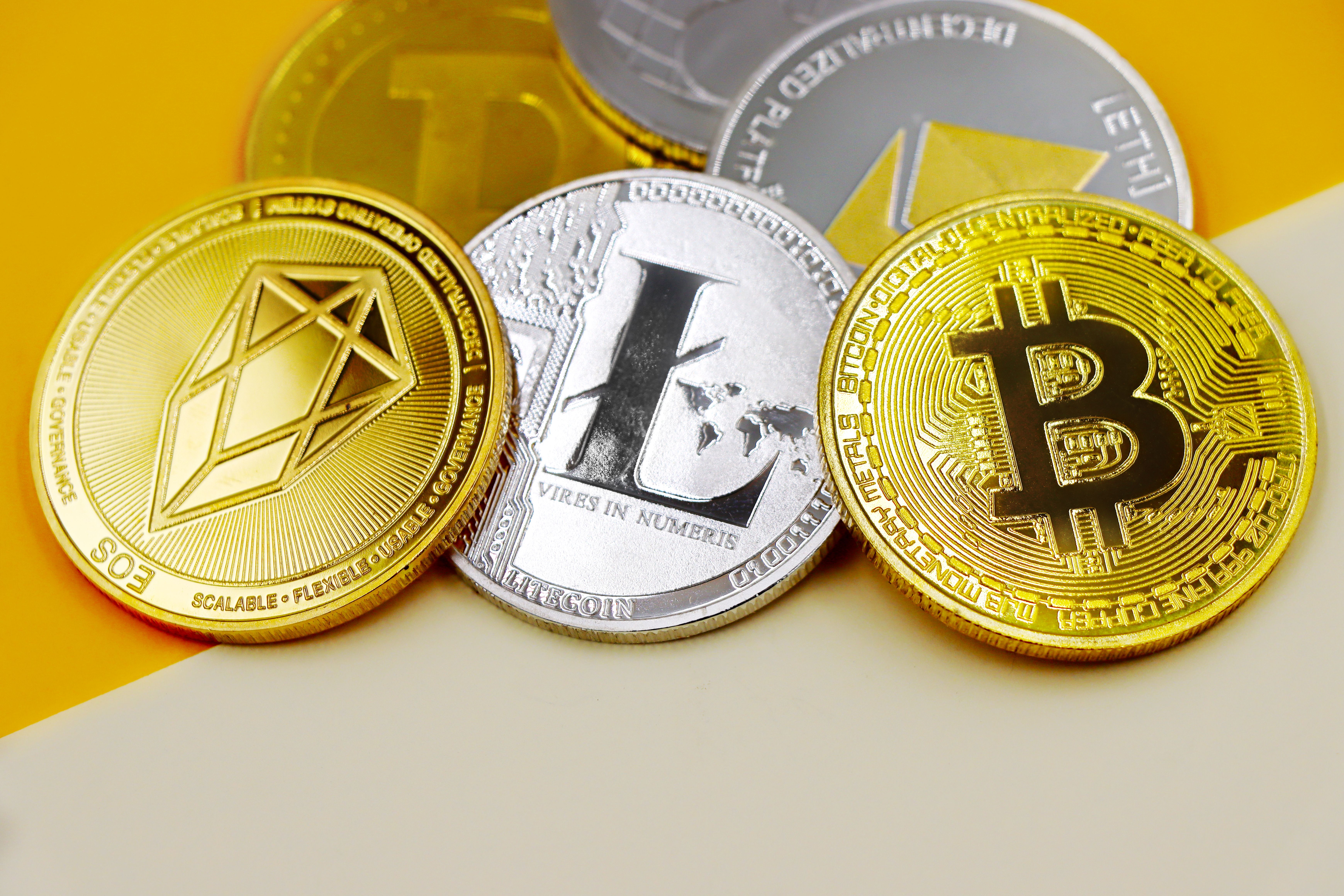
Bitcoin might have introduced cryptocurrency to online gambling, but Ethereum is changing what blockchain technology can actually do. While Bitcoin remains one of the most recognized digital currencies for deposits and withdrawals, Ethereum has gone a step further by enabling smart contracts. These are self-executing agreements that can automate processes without relying on intermediaries.
This is opening the door to new possibilities for the iGaming industry. From automated payouts to decentralized betting platforms, Ethereum’s technology is helping operators explore more transparent and efficient ways to deliver betting experiences. As blockchain continues to evolve, it’s no longer just about how players fund their accounts; it’s about how betting platforms themselves are built.
Bitcoin made crypto betting possible, but Ethereum expanded the possibilities
Bitcoin earned its place in iGaming by offering a secure, decentralized payment method that appealed to bettors looking for faster transactions and greater privacy than traditional banking options. Many sportsbooks began accepting Bitcoin because it reduced payment friction while giving users another way to move funds.
Ethereum shares many of those benefits, but its biggest advantage isn’t simply functioning as another cryptocurrency. Unlike Bitcoin, Ethereum was designed to support programmable applications that run on its blockchain. That flexibility has allowed developers to build tools and services that go far beyond digital payments, creating new opportunities for industries that depend on secure, automated transactions.
For online betting platforms, that means blockchain can play a larger role in how bets are processed, settled and verified, not just how deposits are made.
While blockchain technology is changing how betting platforms operate, choosing a reputable sportsbook remains just as important. Covers.com is one of the leading resources for sportsbook reviews and betting analysis, helping users compare tested and analyzed betting sites ranked by factors such as licensing, available markets, payment methods and overall user experience before placing a bet.
Smart contracts are moving from theory to practical use
Smart contracts automatically execute once predetermined conditions have been met. Instead of relying on a third party to confirm that an agreement has been fulfilled, the blockchain handles the process according to code that can’t easily be altered.
Within iGaming, that could translate into faster payouts after sporting events conclude, transparent settlement rules that are visible on-chain and fewer manual processes behind the scenes. While many licensed sportsbooks still rely on centralized systems, smart contracts demonstrate how blockchain technology could streamline parts of the betting experience in the years ahead.
Interest in the technology is growing rapidly beyond gambling. The global smart contracts market is currently valued at USD 3.39 billion and is projected to reach USD 16.31 billion by 2034. This shows a compound annual growth rate (CAGR) of 26.3%. That growth shows increasing adoption across sectors including finance, insurance, healthcare and gaming, as organizations look for more efficient ways to automate agreements and reduce administrative costs.
Ethereum’s ecosystem is driving blockchain innovation
Ethereum has established itself as the leading smart contract platform, holding an estimated 70% market share among smart contract ecosystems. That leadership has helped it become the foundation for thousands of decentralized applications, ranging from decentralized finance (DeFi) services to blockchain games and prediction markets.
For developers building iGaming products, Ethereum offers an established infrastructure and a large developer community that continues to create new applications. This ecosystem makes it easier to experiment with blockchain-powered betting platforms, tokenized rewards and other innovations that extend beyond simple cryptocurrency payments.
That doesn’t necessarily mean Bitcoin is losing relevance. Many users still view it as the preferred cryptocurrency for transferring value because of its simplicity and widespread recognition. Ethereum, however, is increasingly becoming the platform where blockchain innovation happens, making it an attractive choice for developers looking to change how online betting platforms operate.
New technology still depends on trusted sportsbooks
Blockchain technology continues to evolve, but most bettors still prioritize reliability, competitive odds and a positive user experience when choosing where to place wagers. Features like smart contracts might become more common over time, yet they remain just one part of the overall betting experience.
As blockchain technology continues to influence the industry, combining innovation with trusted sportsbooks will remain essential for both new and experienced bettors.
Ethereum isn’t replacing Bitcoin overnight, nor does it need to. Bitcoin continues to dominate as one of the world’s best-known cryptocurrencies, while Ethereum is carving out a different role by powering decentralized applications and smart contracts. Rather than competing on the same terms, the two networks are increasingly serving different purposes.
For the iGaming industry, that distinction is important. Bitcoin helped bring cryptocurrency into online betting, but Ethereum is helping shape what the next generation of blockchain-powered betting platforms could look like. As smart contracts become more widely adopted, Ethereum’s flexibility, developer ecosystem and focus on automation might give it an increasingly important role in the future of online gambling.