

Choosing a wedding ring is both an emotional and practical decision. While symbolism and style lead the conversation, price is shaped by a layered set of factors that go far beyond surface beauty. Diamonds and gold respond differently to market forces, craftsmanship, and sourcing choices, yet together they determine the final value of a ring meant to last a lifetime. Understanding these influences helps couples make confident, informed decisions without sacrificing meaning or quality.
Diamonds: What truly Determines their Value
At the heart of many wedding rings is a diamond, and its cost is driven by a balance of measurable qualities and modern sourcing options. Today’s buyers increasingly look beyond tradition. They consider alternatives such as a lab diamond wedding band from SOLO for Diamonds, which offers visual and structural parity with mined stones and aligns with contemporary ethical values. Several interconnected elements shape diamond pricing:
- Cut precision: How expertly the stone is cut affects brilliance and light performance.
- Clarity and color: Fewer inclusions and balanced color tones enhance desirability.
- Origin and production method: Lab-grown diamonds are created under controlled conditions, offering consistency and traceability without environmental disruption.
- Certification and grading: Independent evaluation ensures transparency and trust.
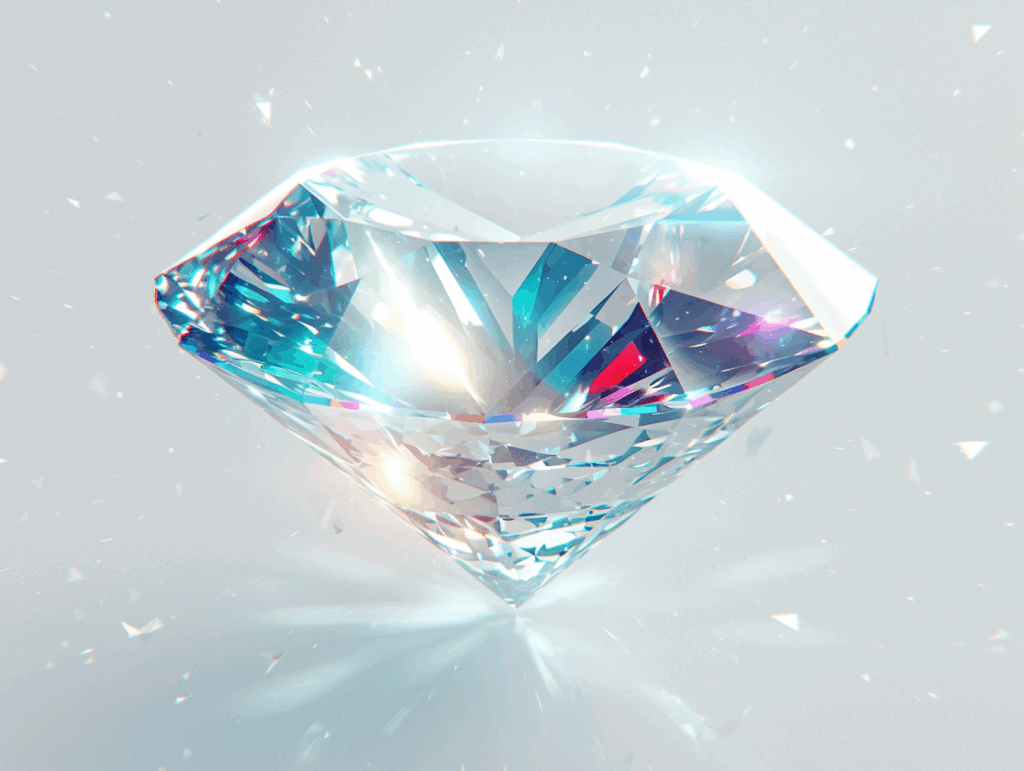
These factors work together, meaning a well-cut stone with thoughtful sourcing can be just as compelling — if not more so — than a traditionally mined diamond.
This perspective aligns closely with the growing interest in jewelry as symbols of identity and intention, similar to the idea of personal talismans explored in depth at this fashion-era feature. Rings designed with meaning often justify higher prices because they offer resonance, not just adornment.
Gold: More Than a Precious Metal
Gold pricing may appear straightforward, but wedding rings introduce additional layers of complexity. Beyond the raw material, the way gold is alloyed, shaped, and finished plays a crucial role in overall cost.
Key considerations include:
- Purity level: Higher karat gold contains more pure gold but requires careful handling.
- Color alloys: Yellow, white, and rose gold are created through specific metal blends.
- Weight and density: Thicker bands naturally require more material.
- Finish and durability treatments: Polishing, rhodium plating, and texturing add labor and longevity.
As a result, two rings made of the same karat gold can vary significantly in price depending on craftsmanship and design intent.
Craftsmanship and Design Influence
While materials form the foundation, craftsmanship defines the final value. Hand-finishing, seamless settings, and innovative materials elevate a ring beyond commodity pricing. Modern jewelers increasingly approach rings as wearable narratives rather than static objects, merging technical precision with emotional storytelling.
Ethics, Transparency, and Long-Term Value
Ethical sourcing has become inseparable from pricing discussions. Consumers now evaluate how diamonds are grown, how metals are sourced, and whether production respects people and the planet. Brands that prioritize transparency and sustainable innovation often invest more in responsible processes, which is reflected in cost, but also in peace of mind and lasting value. Over time, these considerations influence not only price but also how a ring is perceived and cherished.
Final Thoughts
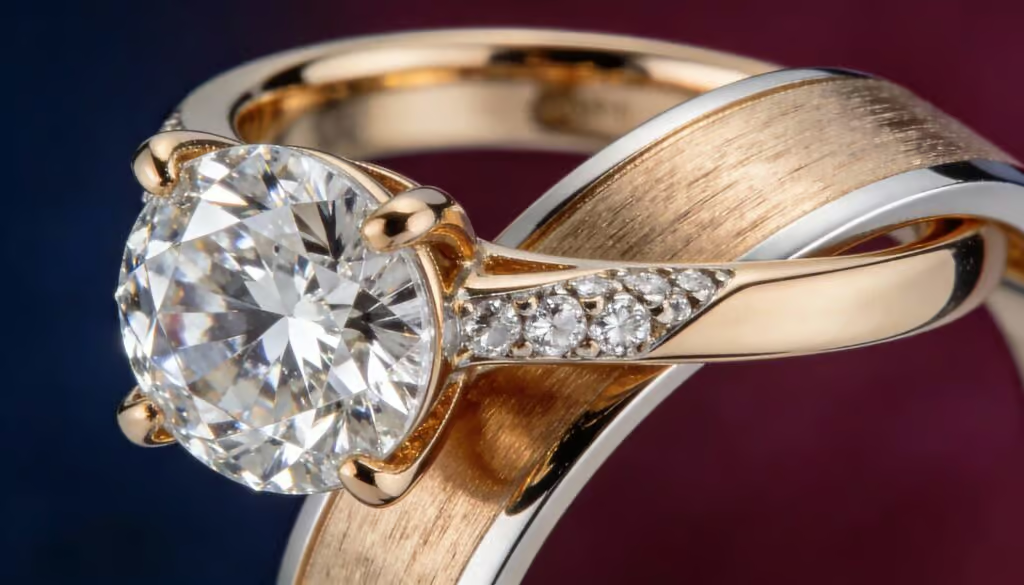
The cost of a wedding ring is shaped by a dialogue between material quality, design excellence, and conscious choice. Diamonds and gold may set the baseline, but it is craftsmanship, sourcing, and meaning that ultimately define value. When these elements are thoughtfully aligned, the result is a ring that feels worthy of both the commitment it represents and the investment it requires.