

Some of the most consequential companies of the past two decades were once considered too ambitious to work. Reusable rockets, frontier artificial intelligence and cars without drivers all spent years as ideas that many investors were unwilling to fund.
Yifeng Zhang, principal of the Yifeng Zhang Family Office and Managing Partner at Arielle Holdings, has backed companies in each of those fields. Asked which investments he is most proud of and willing to discuss publicly, he names three: SpaceX, xAI and Waymo.
Zhang is direct about what made them work. He credits four factors: a mega trend, a top CEO, good timing and luck. Just as important, he says, are the lessons from investments that did not go as planned. Those experiences taught him that the mega trend, the timing, the risk-and-reward odds and the CEO all have to be strong before he commits capital.
“Space is like Columbus discovering America. Global GDP went up exponentially afterwards. The invention of the internet is like late 1800s railway build up. Mobile internet is like post WWII highway build up. AI is similar to Gutenberg’s invention of the printing press. Space and AI/Robotics is a different magnitude of innovation and it will drive economic innovations forward so much in the coming years.”
Three Frontier Bets: SpaceX, xAI and Waymo
Each of the three companies Zhang highlights sits at the center of a different technological shift.
SpaceX made reusable rockets practical. In December 2015, a Falcon 9 first stage landed upright at Cape Canaveral after delivering satellites to orbit, the first time an orbital-class booster had returned that way. Reusability changed the economics of spaceflight and became the foundation of the company’s business.
xAI, the artificial intelligence company founded in March 2023, moved even faster. In February 2026, SpaceX acquired xAI in an all-stock deal that valued the combined company at $1.25 trillion, according to CNBC. The AI business has since been rebranded as SpaceXAI and operates as a SpaceX subsidiary.
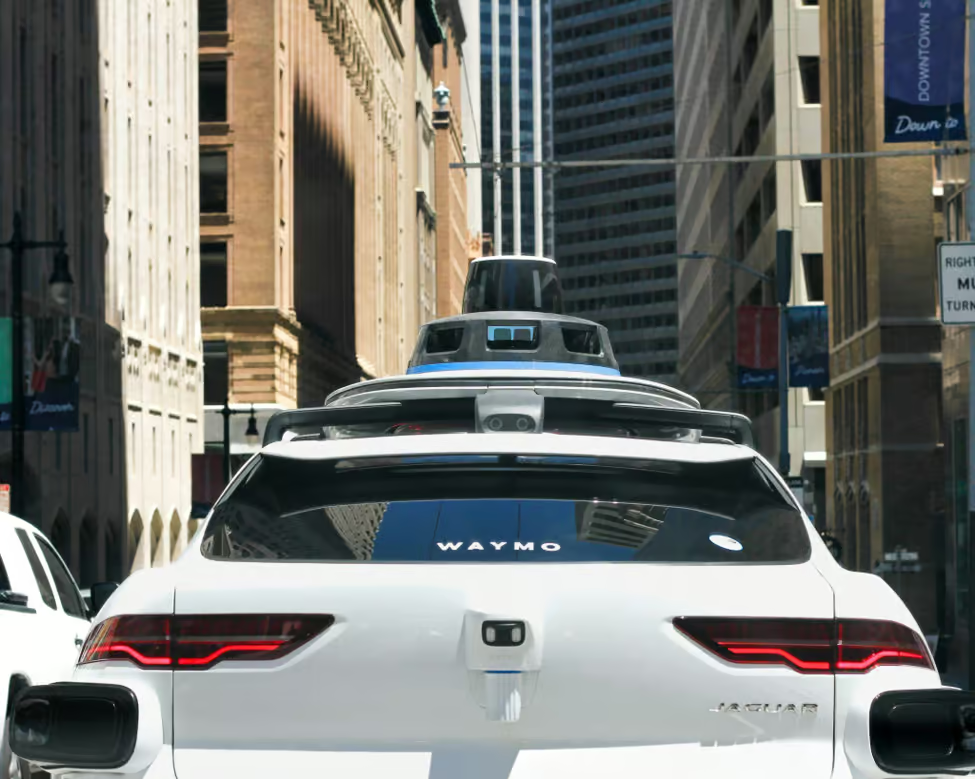
Waymo began in January 2009 as Google’s self-driving car project and was spun out as a separate Alphabet company in December 2016. It launched its Waymo One ride-hailing service in Phoenix in December 2018 and was providing about 500,000 paid rides per week as of March 2026, with service in a growing list of US cities.
For Zhang, each was an example of the same pattern: a large structural shift, led by the company best positioned to capture it.
The Four Requirements Yifeng Zhang Sets Before Investing
When Zhang reflects on investments that disappointed, he does not point to a single mistake. There have been plenty, he says, and the lesson he took from them is a set of preliminary criteria that must all be met before he invests.
A mega trend. The opportunity has to sit inside a large, durable shift, not a short-lived theme.
Timing. Even a real trend can fail investors who arrive too early or too late. Zhang aims to commit capital right before a trend takes off, and he pairs long-term holding with attention to the macro cycle.
Risk-and-reward odds. The potential upside has to justify what could go wrong. A strong story is not enough if the price already reflects it.
The CEO. Leadership determines whether a company can turn a trend into a durable business.
The word that matters most in Zhang’s framing is “all.” Any one of these can look compelling on its own. His experience is that a weakness in any of them can undo the others, so he treats them as minimum requirements rather than a scorecard where strengths offset gaps.
What Yifeng Zhang Looks For in a CEO
Of the four requirements, the CEO is the one Zhang describes in the most detail. He looks for three qualities.
A record of success. Zhang prefers chief executives who have succeeded before. Prior success suggests that a leader has already handled the pressures of building, scaling and financing a company.
True passion. Frontier companies take years, sometimes decades, to reach their potential. A leader who is deeply committed to the mission is more likely to persist through the setbacks that ambitious projects almost always face.
Decisiveness. Zhang wants leaders who are decisive and willing to make difficult calls. Companies working at the edge of technology face constant tradeoffs over capital, people and priorities, and hesitation can be costly.
That emphasis is consistent with how Zhang explains his successes. A top CEO is one of the four factors he credits for SpaceX, xAI and Waymo, alongside the mega trend, the timing and luck.
Being Honest About Luck
Zhang lists luck alongside the mega trend, the CEO and the timing when explaining why his best investments worked. That candor is uncommon. Investors describing their winners often present them as the inevitable result of skill.
Acknowledging luck has practical value. It keeps an investor focused on the parts of a decision that can be controlled, such as the quality of the trend, the strength of the leadership and the price paid, while accepting that outcomes in frontier markets are never certain. In fields such as spaceflight and autonomous driving, a single technical setback, regulatory decision or shift in funding markets can change a company’s path for years. It also explains why Zhang’s criteria are strict. If luck will always play some role, the investor’s job is to make sure everything else is as strong as possible before committing.
Lessons for Founders and Investors
For founders seeking capital, Zhang’s framework is a useful guide to what experienced investors look for. A strong product is necessary, but it is not sufficient. Founders should be able to show how their company fits a larger structural trend, why now is the right moment, why the reward justifies the risk and why they are the right people to lead it.
For investors, the lesson is about discipline. Frontier technology produces extraordinary outcomes, but it also produces many failures. Zhang’s approach is to concentrate on the leading company within a trend, insist that every core requirement is met and stay honest about what cannot be controlled.
That discipline matters more as frontier technology attracts more capital. In its Global Family Office Report 2026, UBS found that artificial intelligence had become the leading investment theme among the family offices it surveyed, with 65% already invested across the AI value chain. When a theme becomes crowded, the gap between the leader and everyone else can matter even more.
Through the Yifeng Zhang Family Office, Zhang continues to apply that framework to the fields he believes will shape the coming decades, including space and longevity.