

There was a time when managing your money was purely transactional. You walked into a quiet brick-and-mortar branch, waited in a slow line, signed paper slips, and left with a paper receipt. It was something you did on a Tuesday afternoon because you had to, not something you felt connected to. Managing your funds was just another task on a long to-do list.
That dynamic has changed completely over the last decade. Today, financial services live directly in our pockets, sitting right alongside our social feeds, fitness trackers, and streaming apps. Managing your money isn’t a physical place you visit once a month anymore. It’s a continuous, daily digital experience. It’s evolved from a back office utility into a full-fledged lifestyle product that reflects how we live, work, and express our personal values.
The Shift from Utility to Experience
In the early days of online finance, digital portals were simple mirrors of traditional branches. You could check your balance or move money between accounts, but the interfaces were clunky and utilitarian. They were built for basic function, not for daily user engagement.
As mobile technology matured, user expectations shifted dramatically. Modern consumers started demanding the same smooth, intuitive design from their financial apps that they experienced with ride-hailing or food delivery tools. Financial institutions realized that having an app was no longer enough. The experience itself had to feel seamless, personal, and satisfying to use.
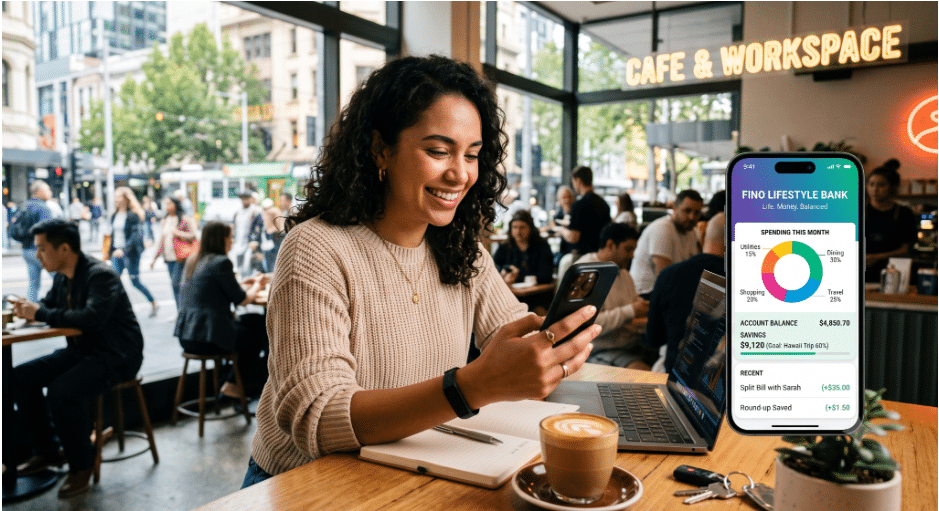
When an app provides instant spending alerts, sleek visuals, and intuitive budgeting tools, keeping track of cash stops feeling like a chore. It becomes a natural extension of daily habit. The design elements, micro interactions, and overall flow turn routine tracking into an easy, quick check-in.
Integration into Daily Routines and Personal Identity
Lifestyle products are defined by how naturally they fit into a person’s everyday life. They complement personal habits and help users define their identity. Digital finance now plays this exact role.
Think about how seamlessly modern features fit into modern routines. Split billing tools make dinner with friends easy and stress-free. Automated round-up savings features quietly build reserves in the background while you buy your morning coffee. Real-time categorizations show you exactly how much you spent on dining or travel this month.
Moreover, choice in financial tools has become a subtle reflection of personal values. Choosing a provider that offers high-yield savings, zero hidden fees, or sustainable investment options says something about what you prioritize. The financial tools you carry on your phone screen are now as much a choice of personal style as the clothes you wear or the coffee shop you frequent.
Frictionless Value and Essential Everyday Tools
At the core of this lifestyle transition is convenience. People want financial tools that respect their time and eliminate unnecessary friction. They want modern flexibility, like opening free checking accounts in a few minutes without standing in line or worrying about monthly maintenance charges.
When essential services become instant and transparent, trust builds naturally. A financial product that saves you time, helps you avoid surprise fees, and gives you direct control over your cash earns a permanent spot on your home screen. It ceases to be just a vault for your money and becomes an active assistant in your daily life.
The Role of Personalization and Insights
Another key reason finance has become a lifestyle category is the move toward personalized insight. Older systems gave you data, like a long, flat list of transactions at the end of the month. Modern systems give you context.
Smart platforms analyze spending patterns to offer meaningful highlights. They notice when a recurring subscription goes up, remind you when upcoming bills are due, or encourage you when you reach a personal savings milestone. This shifts the relationship from reactive record-keeping to proactive guidance.
When a tool actively helps you understand your habits and reach personal goals, it creates a deeper emotional connection. You aren’t just storing funds; you’re building a clearer picture of your lifestyle and future possibilities.
Looking Ahead: The Future of Everyday Finance
As financial technology continues to evolve, the line between lifestyle management and money management will blur even further. Future tools will likely offer deeper integrations with health, travel, and career platforms, creating a holistic ecosystem tailored to individual preferences.
Ultimately, the transformation of banking into a lifestyle product is about empowerment. It gives people clarity, control, and convenience in the palm of their hand. Money management is no longer a rigid chore reserved for bank hours. It’s an ongoing, personalized journey that fits seamlessly into the rhythm of modern life.